
Physical activity works with your body's systems to regulate glucose, strengthen muscles, and build lasting health improvements.
Begin Today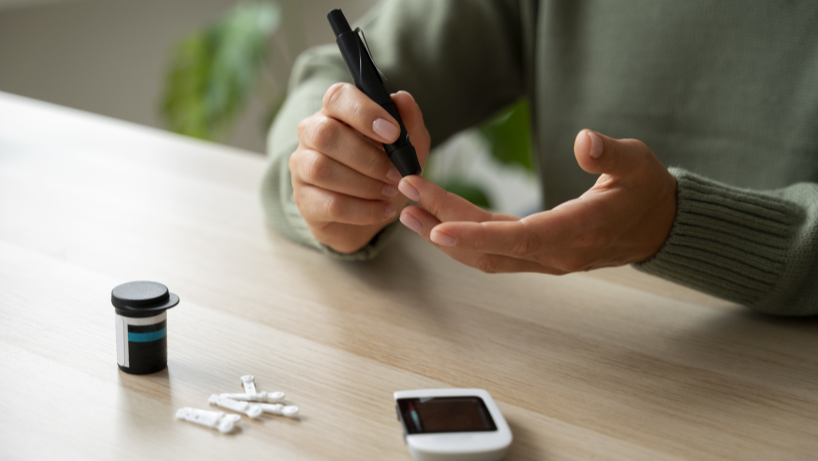
Regular movement addresses diabetes at a fundamental level by changing how your body processes and uses glucose. Active muscles consume blood sugar for energy, creating an immediate positive effect on glucose levels.
Beyond the direct impact on blood sugar, physical activity strengthens your cardiovascular system, helps maintain healthy weight, and improves how your cells respond to insulin signals. These combined effects make movement essential for effective diabetes management.
Following these guidelines helps you stay safe while building an active routine that supports your health goals.
Check blood sugar before and after activity, especially when starting a new routine. This helps you understand how your body responds and adjust as needed.
Always wear properly fitted, supportive footwear. Check your feet regularly for any signs of irritation or injury, especially if you have reduced sensation.
Drink water before, during, and after physical activity. Proper hydration supports all body functions and helps prevent complications during exercise.
Talk with your doctor before beginning any exercise program to ensure activities are appropriate for your specific health situation.
Physical activity creates widespread positive changes throughout your body that directly support better diabetes control.
Working muscles pull glucose from your bloodstream to power their activity, naturally lowering circulating sugar levels without requiring medication.
Regular activity makes your cells more responsive to insulin, allowing them to absorb glucose more efficiently and reducing insulin resistance.
Stronger muscles store more glucose and burn more energy, creating a more efficient system for managing blood sugar levels.
Regular movement improves circulation and heart health, lowering the risk of cardiovascular complications that often accompany diabetes.
Physical activity boosts overall energy levels and reduces fatigue, making daily tasks easier and improving quality of life.
Movement naturally reduces stress hormones that can raise blood sugar, while promoting better mood and mental clarity.

The most effective approach to physical activity is one you can maintain over time. Choose activities you genuinely enjoy, whether that's walking, swimming, cycling, or dancing. When movement feels pleasant rather than obligatory, you're far more likely to stick with it.
Start with modest goals that fit easily into your current schedule. Even short periods of activity, repeated consistently, produce meaningful health improvements. As these habits become established, you can gradually increase duration and intensity based on how your body responds.
Small adjustments to daily routines can significantly increase your physical activity without requiring major time commitments or lifestyle changes.
Begin with brief activity periods that feel manageable. Five-minute walks are valuable starting points. Gradually extend these sessions as your body adapts and your confidence grows.
Moving after meals helps manage the natural rise in blood sugar that follows eating. A 10-15 minute walk an hour or two after eating can make a noticeable difference in glucose levels.
Varying your activities keeps things interesting and works different muscle groups. Alternate between walking, light stretching, gardening, or other activities you enjoy.
"I started walking just 15 minutes after lunch each day. Within a month, my afternoon glucose readings dropped significantly. Now it's a habit I look forward to."
— Sunita P., Delhi
"Building up slowly made all the difference. I can now walk 45 minutes comfortably, and my overall energy has improved tremendously. My doctor is pleased with my progress."
— Vikram L., Pune
"Regular movement changed how I manage my condition. My glucose levels are more stable, and I feel stronger and more capable in daily activities."
— Meera T., Hyderabad
Email:
hello (at) sisomiwo.com
Phone:
+91 80 4176 2953
Address:
58, Brigade Road, Bangalore 560025, Karnataka, India
Walking is excellent because it's accessible and sustainable. Other good options include swimming, cycling, dancing, or gardening. Choose activities you enjoy so you'll maintain them long-term.
Aim for most days of the week, even if sessions are brief. Daily activity, even 10-15 minutes, produces better results than occasional longer sessions. Consistency matters more than intensity.
Moderate intensity works well for most people. You should be able to carry on a conversation while moving. If you're too breathless to talk, reduce your pace.
Many people notice immediate effects on blood sugar after activity. Longer-term improvements in overall glucose control typically become apparent within 2-4 weeks of consistent activity.
Most people can engage in some form of activity safely, but specific complications may require activity modifications. Always discuss your exercise plans with your healthcare provider first.